
Problem guide · 5 min read
Cooling water is weak or missing
Cooling water is weak or missing can interrupt a launch window or create uncertainty at the dock. This guide explains what boat owners can safely check, what details support intake, and when to seek appropriate engine repair & maintenance help.
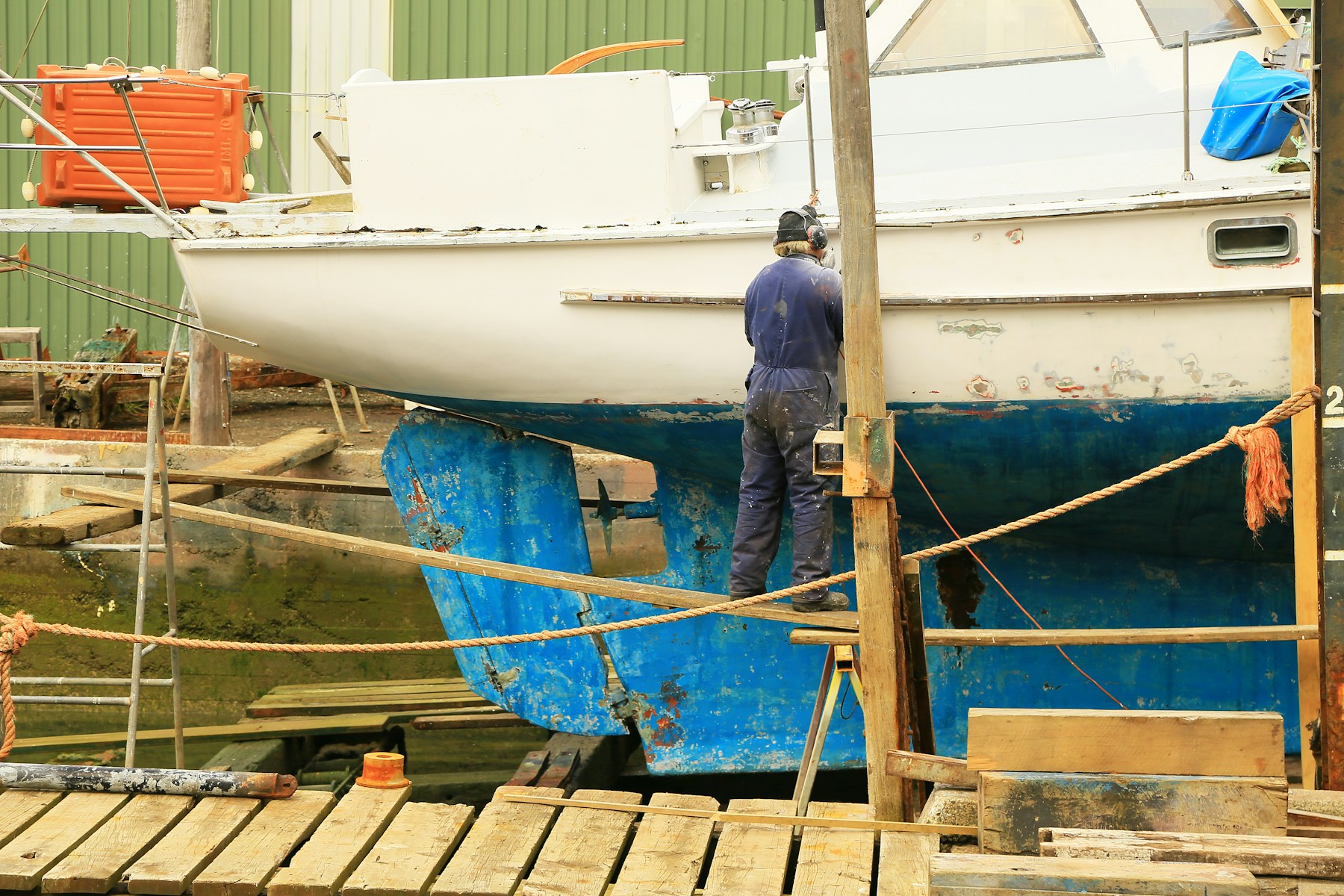
Practical owner guide
How to use this before requesting service
Confirm the symptom
Note when the issue happens, whether it repeats, and what changed before it started. This helps separate a one-time launch problem from a system fault.
Protect the boat
Stop running any system that is overheating, leaking, smoking, alarming, or creating an electrical smell. Safety details should be included in the intake.
Prepare the request
Match the request to engine repair & maintenance, add photos, and include location access so coverage and service-path fit can be reviewed.
- Cooling water is weak or missing usually points to a specific system that needs clean diagnostics, not guesswork.
- The details that matter most are when it started, whether it happens every time, and what changed before the symptom appeared.
- A clear description supports coverage and service-path review for engine repair & maintenance; it does not confirm that a provider is available.
- Confirm the boat is secure, shore power and battery switches are in expected positions, and no active safety risk is present.
- Write down warning lights, sounds, smells, water levels, recent service, and whether the issue changes at idle or under load.
- Avoid forcing stuck components, bypassing safety devices, or continuing to run a system that is overheating, leaking, or alarming.
- Wide photo of the boat location, dock access, marina or driveway approach, and slip number if available.
- Close photos of the affected system, labels, gauges, warning lights, wiring, leaks, corrosion, or damage.
- Photos of the engine plate, battery area, bilge, helm, or service records when they relate to the issue.
- If anyone is in immediate danger, call 911.
- For an emergency on the water, contact the U.S. Coast Guard on VHF-FM Channel 16 or dial 911.
- Do not wait for a My Boat Buddy form or coverage response during an emergency. Use intake only after people and the vessel are safe.
Next step for engine repair & maintenance
Send location, boat details, and photos for coverage review.
Include the boat make, model, year, engine details, marina or driveway access, and whether the issue affects a planned trip, charter, or launch window. Submission does not confirm dispatch or provider availability.